
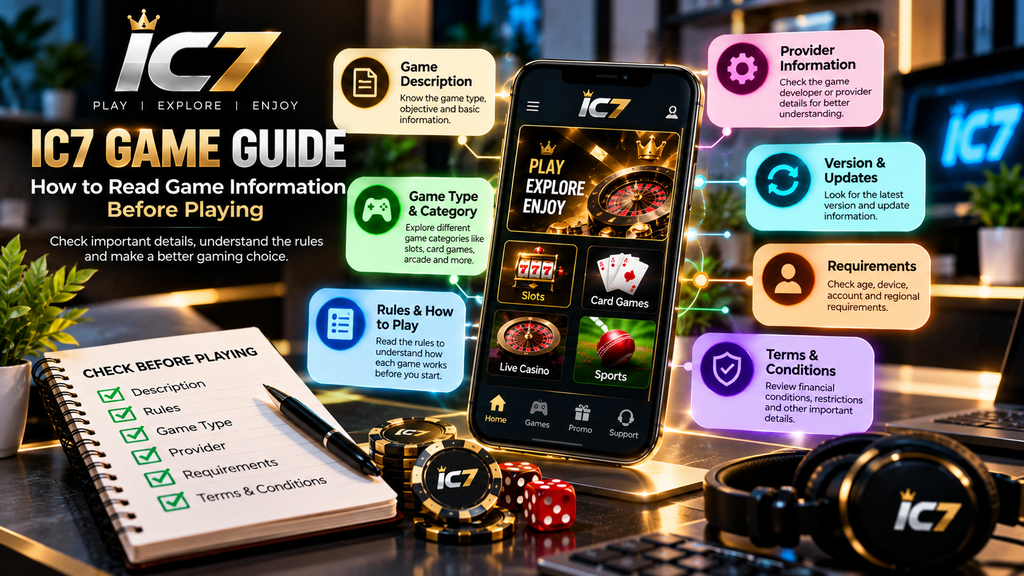
When exploring an online gaming platform, knowing how to read game information can be just as important as understanding how to access the platform. Different games can have different rules, formats, features, and requirements, so taking a few minutes to review the available information can help users understand what they are exploring.
If you are researching IC7 Game, it is useful to look beyond the game name or promotional graphics. Game descriptions, instructions, available options, and applicable conditions can provide important context before you decide whether a particular game is suitable for you.
This guide explains what to look for when reviewing online game information and how to make the process easier.
Why Game Information Matters
A game title alone usually does not explain how the game works. Users may need to understand the objective, rules, game format, available options, and any conditions associated with participation.
Reading the available information first can help answer basic questions such as:
- What type of game is it?
- What are the rules?
- How does a round work?
- Are there different modes?
- What information is required to participate?
- Are there age or location restrictions?
- Does the game involve financial risk?
These details can vary between platforms and individual games.
1. Start With the Game Description
The game description is often the first source of information available to a user.
Instead of choosing a game based only on its title or visual appearance, read the description carefully.
Look for information about:
- Game type
- Basic objective
- Number of players
- Available modes
- Game format
- Special features
- Platform compatibility
A clear description should give you a general idea of what the game involves before you begin exploring it.
2. Read the Rules Before Starting
Rules explain how IC7 Game operates.
Depending on the type of game, the rules may explain turns, scoring, combinations, rounds, outcomes, or other mechanics.
Do not assume that two games with similar names follow exactly the same rules.
Before starting, check:
Game Objective
Understand what the player is expected to do.
Round Structure
Find out how a round begins and ends.
Available Actions
Review the actions or choices available during gameplay.
Result Conditions
Understand how the outcome of a round or session is determined.
Taking a few minutes to understand these points can prevent confusion later.
3. Look for Game-Specific Instructions
Some games provide additional instructions beyond their general description.
These may include tutorials, help buttons, information icons, demonstrations, or rule pages.
If you see a Help, Rules, How to Play, or similar option, review it before starting.
Game interfaces can also contain symbols that are unfamiliar to new users. Instead of guessing what an icon means, check the platform’s explanation.
4. Understand Different Game Categories
Online gaming platforms can contain multiple categories, and each category may use a different format.
For example, a platform may present:
- Card-based games
- Arcade-style games
- Sports-related games
- Puzzle games
- Strategy games
- Casual games
- Other interactive formats
The exact categories available can vary by platform and region.
Understanding the category can help users know what type of gameplay to expect.
5. Check Game Developer or Provider Information
Game information may sometimes include the name of the developer, studio, provider, or publisher.
This can be useful when researching a particular game.
If a provider name is displayed, users can investigate additional information such as:
- Developer background
- Game portfolio
- Published versions
- Platform compatibility
- Available documentation
Do not assume that a game is trustworthy simply because a recognizable name appears on a page. Verify important information independently.
6. Pay Attention to Version Information
Digital games and applications can receive updates over time.
A newer version may have different interface elements, rules, features, or technical requirements compared with an older version.
When available, check:
- Version number
- Update date
- Release information
- Compatibility details
- Change notes
This is particularly useful when comparing information published at different times.
Old screenshots or articles may not accurately represent the current interface.
7. Review Any Financial Conditions Carefully
Some online gaming services may include activities involving deposits, entry fees, prizes, or other financial elements.
If money is involved, read the applicable conditions carefully before taking any action.
Check for information about:
- Minimum and maximum amounts
- Fees
- Transaction conditions
- Withdrawal requirements
- Promotional conditions
- Eligibility requirements
- Applicable restrictions
Never assume that a promotional message represents guaranteed earnings.
If a game involves real-money wagering, remember that financial losses are possible.
8. Check Eligibility and Regional Restrictions
Online services may have restrictions based on age, location, or applicable law.
Before participating, users should determine whether the service and particular activity are permitted in their jurisdiction.
This is especially important for games involving money.
Requirements can change over time, so current information should be checked rather than relying on an old article or social-media post.
9. Compare Information Instead of Promotional Claims
Promotional content is designed to attract attention. Informational content should help users understand what they are actually considering.
When researching IC7 Game or another platform, separate factual information from marketing language.
For example:
Information Type: What to Check
Game description What the game actually does
Rules How gameplay works
Features Functions available to users
Requirements What is needed to participate
Financial terms Deposits, fees, or conditions
Restrictions Age and location requirements
Updates Whether information is current
This approach can make online research more useful and less dependent on promotional statements.
10. Keep Notes When Researching Multiple Games
If you are exploring several games, it can become difficult to remember which game has which rules or features.
A simple comparison note can help.
For example:
GameCategoryRules ReviewedRequirementsNotes
Game A Card Yes Reviewed —
Game B Arcade Yes Reviewed —
Game C Sports Yes Reviewed —
You do not need a complicated spreadsheet. Even a basic checklist can make research easier.
How to Research a New Game in Five Minutes
A quick research process can save time.
Step 1: Read the Description
Understand the basic purpose and category.
Step 2: Open the Rules
Check how the game works.
Step 3: Review Requirements
Look for age, location, device, or account requirements.
Step 4: Check Financial Conditions
If money is involved, review the relevant terms carefully.
Step 5: Confirm Current Information
Check whether the information applies to the current version and region.
This process helps users avoid making assumptions based solely on screenshots or advertisements.
Common Mistakes When Exploring Online Games
Users can sometimes overlook important information because they focus on graphics or promotional offers.
Common mistakes include:
Skipping the Rules
A familiar-looking game may still have different rules.
Relying on Old Information
Older articles may describe previous versions.
Ignoring Restrictions
Eligibility requirements can vary by location and age.
Assuming Promotional Claims Are Guarantees
Offers and promotional messages should always be read alongside their terms.
Downloading From Unknown Sources
Unverified software can create security and compatibility risks.
Treating Gaming as Guaranteed Income
Games involving money carry financial risk and should not be considered a dependable source of income.
A Simple Checklist Before Exploring a Game
Use this checklist whenever you research a new online game:
- Read the game description
- Review the rules
- Understand the objective
- Check available game modes
- Review provider information
- Check version details
- Confirm age requirements
- Check regional restrictions
- Read financial conditions if applicable
- Verify that the information is current
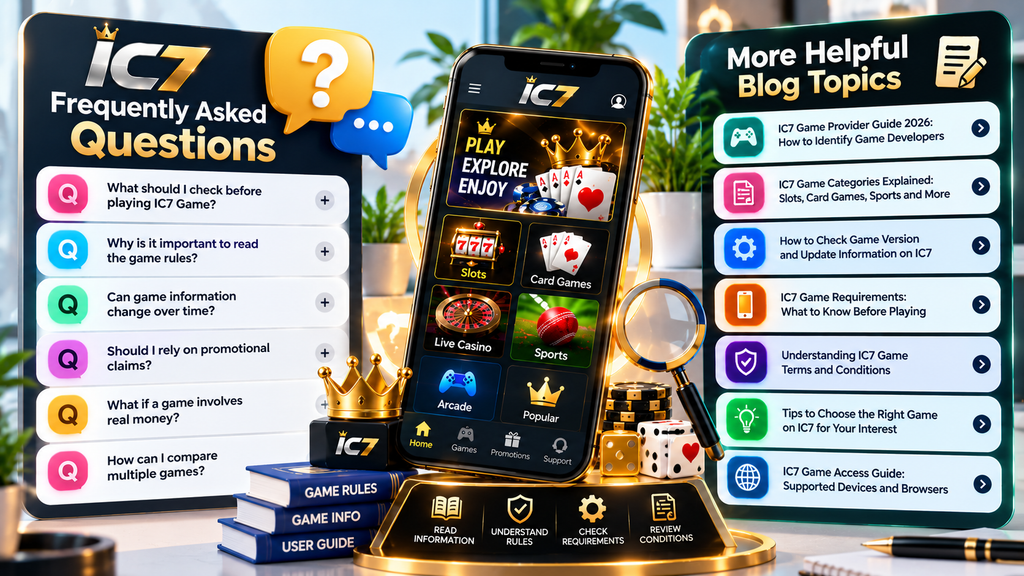
Frequently Asked Questions
What should I check before playing an online game?
Start with the game description, rules, requirements, available features, and any applicable restrictions.
Why should I read the rules first?
Rules explain how the game works and help you understand its objectives, actions, and outcome conditions.
Can game information change?
Yes. Game interfaces, versions, features, and conditions can change over time, so current information should be verified.
Should I rely on promotional claims?
Promotional content should not be treated as a substitute for official rules or terms. Review the underlying information before making decisions.
What if a game involves real money?
Review all applicable financial conditions and legal restrictions carefully. Remember that financial losses are possible and outcomes are not guaranteed.
How can I compare several games?
Create a simple checklist covering category, rules, features, requirements, restrictions, and other details that matter to you.
Conclusion
Researching an online game does not need to be complicated. By checking the description, rules, game category, provider information, version details, requirements, and applicable conditions, users can develop a clearer understanding of what they are exploring.
For anyone researching IC7 Game, the most useful approach is to focus on current and verifiable information rather than relying only on promotional material or outdated guides.
Take time to understand the game before participating, keep financial and personal information secure, and always follow the applicable rules and restrictions in your location.